Rethinking Cholesterol: Why Gut Health Matters More Than What’s on Your Plate
For many years, doctors and health experts warned that eating foods high in cholesterol—like eggs, meat, and dairy—could raise our blood cholesterol and put our hearts at risk. This was based on earlier research that focused strictly on what was on our plates. But now, newer studies are turning this idea upside down and pointing toward our gut, rather than just our diet, for the real answers about cholesterol health.
Cholesterol Basics
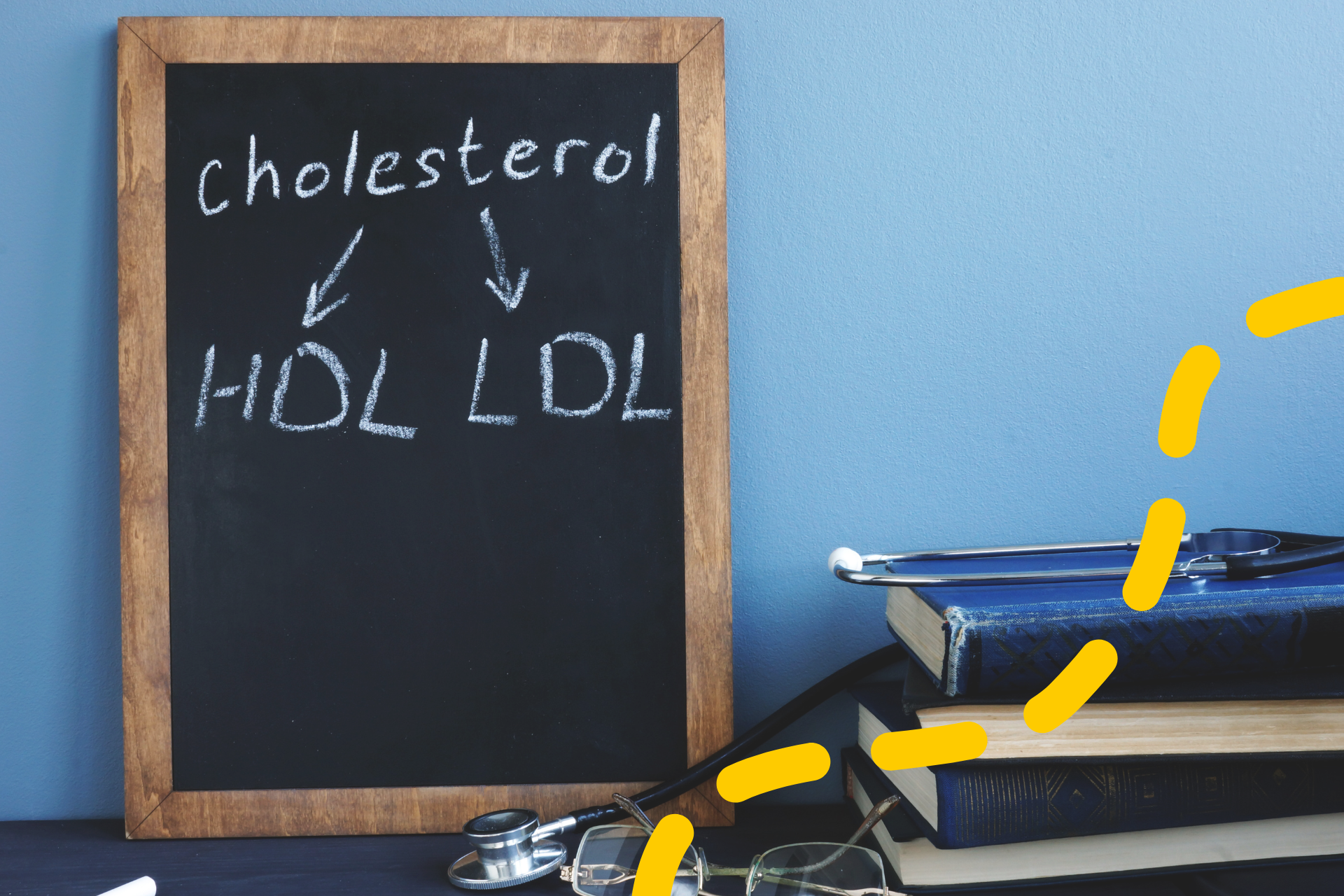
Cholesterol is a waxy, essential substance that supports cell structure, hormone creation, and vitamin D in your body. It travels through your bloodstream in packages called lipoproteins. LDL is known as “bad” cholesterol because too much can lead to fat buildup in your arteries, while HDL is called “good” because it helps clear cholesterol away.
What We Thought: Diet’s Role
Older advice said eating foods rich in cholesterol raises your blood cholesterol. But the body’s system is more complex than that. For most people, eating eggs or dairy has little effect on blood cholesterol; the body adjusts how much cholesterol it produces to maintain balance. Only a small group called “hyperresponders” experience a noticeable increase in blood cholesterol after eating these foods—and this rise is usually in larger, less harmful LDL particles and is balanced out by an increase in HDL.
The Gut: The Real Game-Changer
Recent research shows that gut bacteria play a major part in how cholesterol is processed and used in the body. Certain gut microbes, such as Oscillibacter, can actually break down cholesterol in the intestines, helping to keep blood cholesterol in check. Other gut bacteria modify bile acids (compounds that help digest fats), which further impacts cholesterol balance in the bloodstream. Evidence also suggests that a healthy, diverse gut microbiome may help lower the risk of heart disease by reducing inflammation and supporting cholesterol metabolism.
Heart Disease: More Than Just Cholesterol
While cholesterol is part of the heart health equation, factors like inflammation, high blood pressure, and your overall lifestyle matter just as much. Recent studies even found that high-cholesterol foods like eggs may actually boost HDL while not increasing heart disease risk in most people.
Should You Avoid High-Cholesterol Foods?
There’s no strong evidence for most people to strictly avoid foods high in cholesterol. Instead, experts recommend focusing more on limiting saturated fat, cutting out sugary drinks, and eating more fruits, veggies, and whole grains. Staying active—about 150 minutes of moderate exercise weekly—is also key. And remember, talk to your doctor about what is right for you.
Supporting Healthy Cholesterol
Ways to help your cholesterol and heart health include:
Maintaining a healthy weight
Eating a variety of fruits, veggies, legumes, and nuts
Supporting your gut microbiome with fiber-rich foods and possibly probiotics
Exercising regularly
Bottom Line
The real story about cholesterol has shifted. For most people, what counts isn’t just avoiding cholesterol-rich foods but taking care of your gut health and leading a balanced lifestyle. New research shows that a healthy gut microbiome is a powerful ally in maintaining good cholesterol and protecting heart health.
We hope you find this new information useful. For more content, visit our blog.
Sources:
https://www.healthline.com/nutrition/dietary-cholesterol-does-not-matter#types
Bzz,
Team Carebee